
Natural Alignment: Why Bone and Muscle Position Determines Technique — and Prevents Injury
Every coach has watched an athlete grind through a lift or a sprint drill with “almost right” form and thought: something’s off, but the reps look fine
Recent news & event

Every coach has watched an athlete grind through a lift or a sprint drill with “almost right” form and thought: something’s off, but the reps look fine

Pushing a joint past its natural range to generate extra power or reach can seem effective in the short term, but it’s one of the most common causes of overuse injury. Here’s why it happens and how to avoid it.

Tennis has evolved. Today’s elite players don’t just train harder—they train smarter. Every forehand, serve, sprint, split step, and recovery movement is the product of a complex interaction between strength, power, coordination, balance, and movement efficiency. While coaches can often identify technical flaws with the naked eye, the underlying physical reasons behind those flaws frequently…
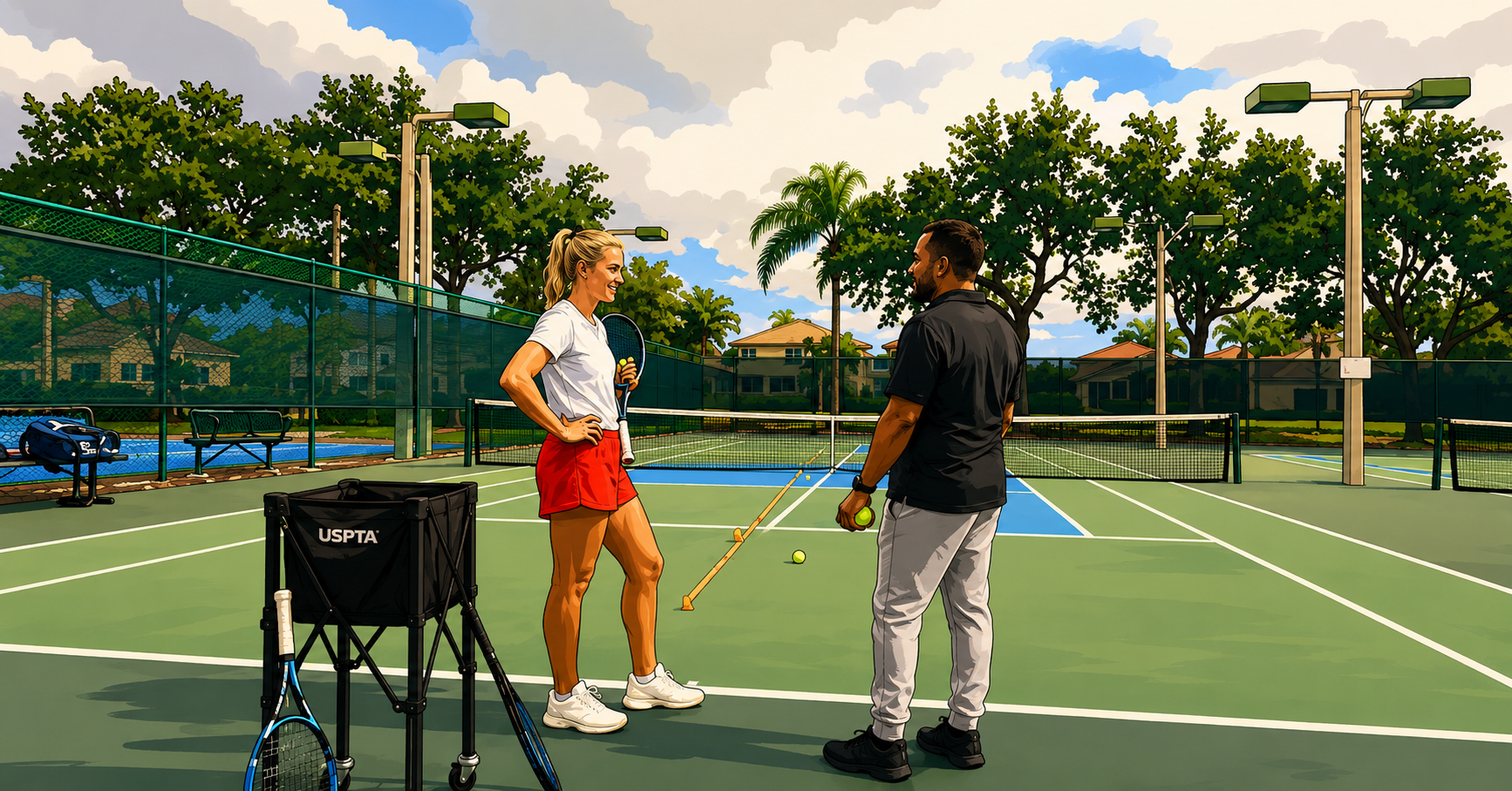

The tennis serve is the most complex stroke in the game. It demands explosive power, precise timing, and the seamless coordination of nearly every muscle group in the body — all executed in under a second. Yet most players never reach their true serving potential, not because of a lack of effort, but because of mechanical inefficiencies that go undetected by the naked eye. This is exactly where biomechanics changes everything.
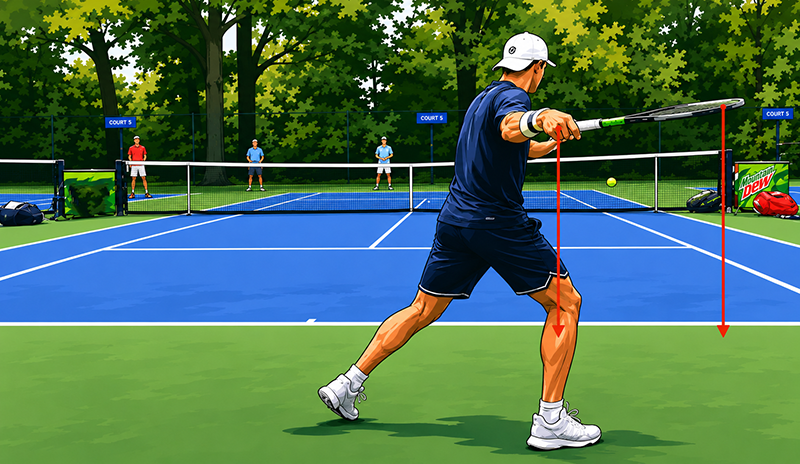
Tennis is evolving faster than at any point in its modern history. The emergence of the Next Generation — players like Carlos Alcaraz, Jannik Sinner, and Holger Rune — has introduced a style of forehand that is fundamentally different from anything the sport has seen before. Heavier, faster, more angular, and struck at heights that previous generations simply could not handle. Understanding the biomechanical architecture behind this shot is not just academically interesting — it is essential knowledge for any serious player or coach preparing for the competitive landscape of the next decade.