
Code Lab
Ut elit luctus nec ullamcorper



The tennis serve is the most complex stroke in the game. It demands explosive power, precise timing, and the seamless coordination of nearly every muscle group in the body — all executed in under a second. Yet most players never reach their true serving potential, not because of a lack of effort, but because of mechanical inefficiencies that go undetected by the naked eye. This is exactly where biomechanics changes everything.
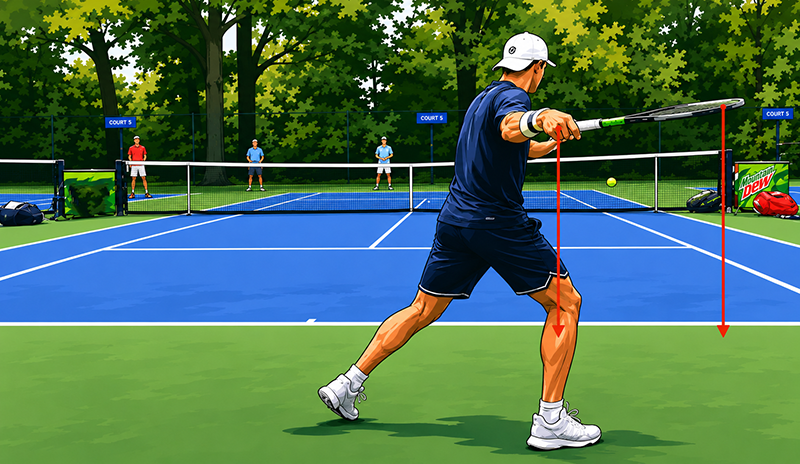
Tennis is evolving faster than at any point in its modern history. The emergence of the Next Generation — players like Carlos Alcaraz, Jannik Sinner, and Holger Rune — has introduced a style of forehand that is fundamentally different from anything the sport has seen before. Heavier, faster, more angular, and struck at heights that previous generations simply could not handle. Understanding the biomechanical architecture behind this shot is not just academically interesting — it is essential knowledge for any serious player or coach preparing for the competitive landscape of the next decade.
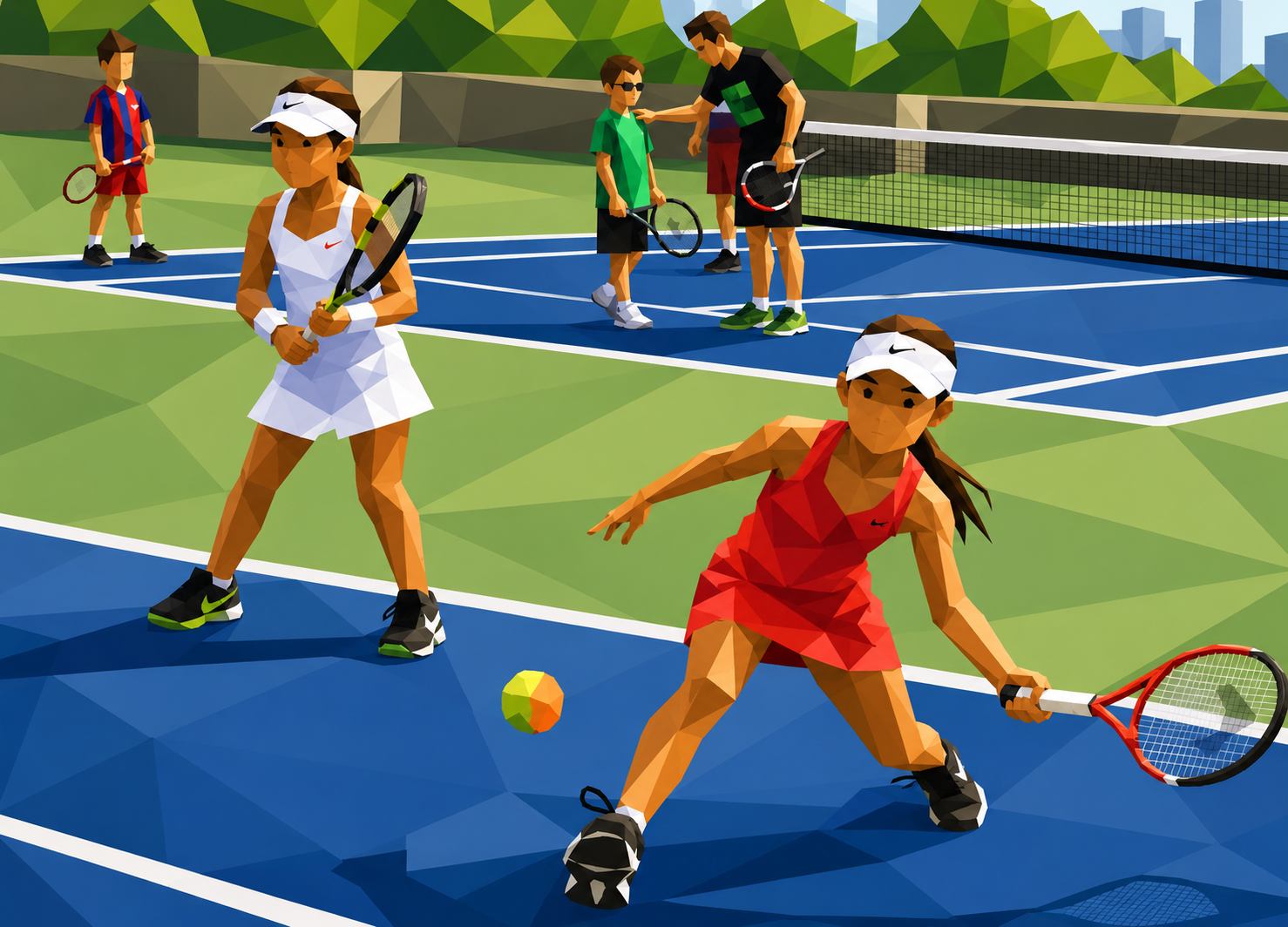
Tennis is one of the most physically demanding sports a child can pursue. The combination of explosive movement, repetitive striking mechanics, and the asymmetrical nature of the sport — where one side of the body works significantly harder than the other — creates a unique set of biomechanical challenges for the developing athlete. Add early specialization, high training volumes, and the pressure of junior competition, and you have a environment where injuries are not just possible — they are almost inevitable without proper movement management. Biomechanics is the tool that changes that equation entirely.