Blog

Recent news & event

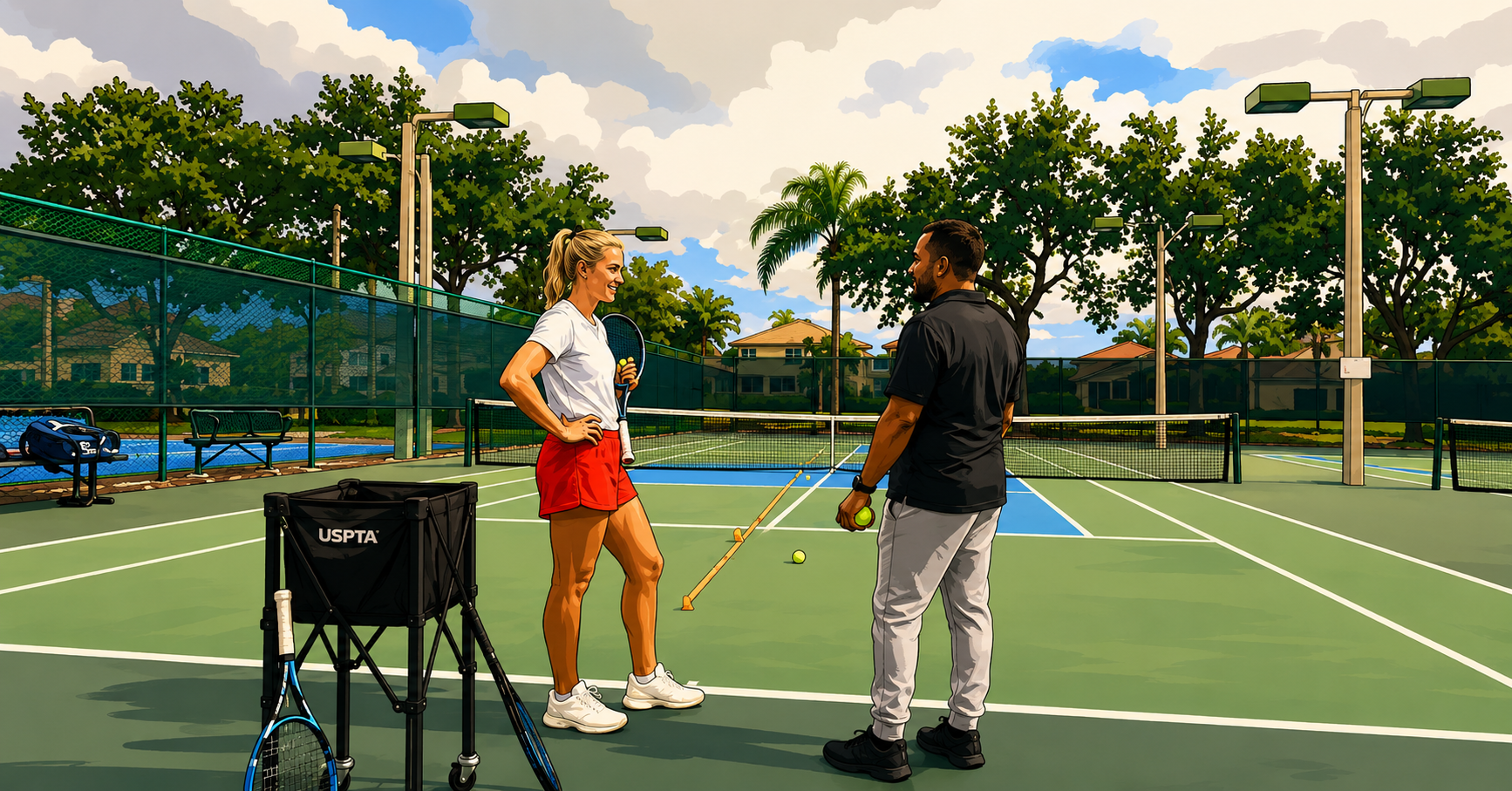
Protecting Young Tennis Players — Why Biomechanics Is the Foundation of Safe Development

Tennis is one of the most physically demanding sports a child can pursue. The combination of explosive movement, repetitive striking mechanics, and the asymmetrical nature of the sport — where one side of the body works significantly harder than the other — creates a unique set of biomechanical challenges for the developing athlete. Add early specialization, high training volumes, and the pressure of junior competition, and you have a environment where injuries are not just possible — they are almost inevitable without proper movement management. Biomechanics is the tool that changes that equation entirely.

Read more

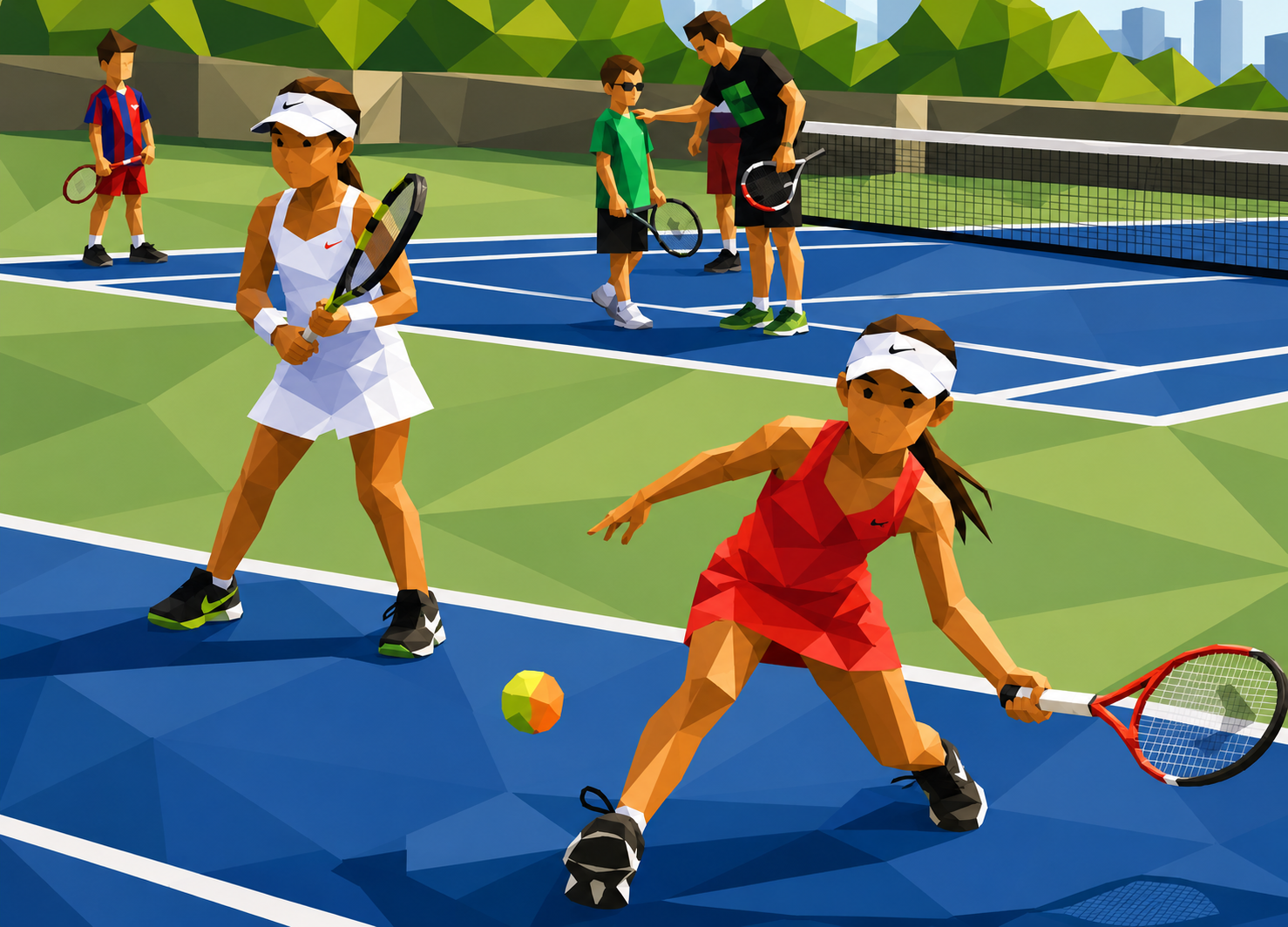
How Optimal Technique Saves Energy. The Biomechanical Edge in a Five-Set Grand Slam Match

Winning a five-set match at a Grand Slam is one of the most physically brutal challenges in professional sport. Over three, four, or sometimes five hours of relentless competition, a player can cover more than ten kilometers of court, execute over a thousand strokes, and experience heart rate levels comparable to those of an endurance athlete at maximum effort. In this context, the difference between winning and losing the fifth set is rarely about who is more talented — it is almost always about who has more left in the tank. And that, more than any other factor, is determined by the efficiency of their technique. Biomechanics is the science that explains exactly why.

Read more